Buying property in California without conducting strict due diligence can lead to devastating financial losses. The Golden State’s real estate market demands a rigorous home buying process due to its unique environmental risks, complex local disclosure laws, and strict zoning regulations. As a seasoned California real estate expert, I can tell you that overlooking mandatory official documentation like the Transfer Disclosure Statement (TDS) or Natural Hazard Disclosure (NHD) report can trap you in an uninsurable, high liability property. Here is your definitive, expert vetted due diligence real estate checklist to protect your investment.
1. Review the Transfer Disclosure Statement (TDS)
In California, state law mandates that sellers provide a Transfer Disclosure Statement (TDS). This is an official legal document where the seller must disclose the property’s actual structural condition, operational defects, past modifications, and any known material issues in good faith. When conducting your home buying process, do not just glance over this document. Look specifically for noted roof leaks, plumbing failures, electrical hazards, or unpermitted additions. If a seller knowingly conceals a structural defect on the TDS, they can be held legally liable for fraud post closing.
2. Analyze the Natural Hazard Disclosure (NHD) Report
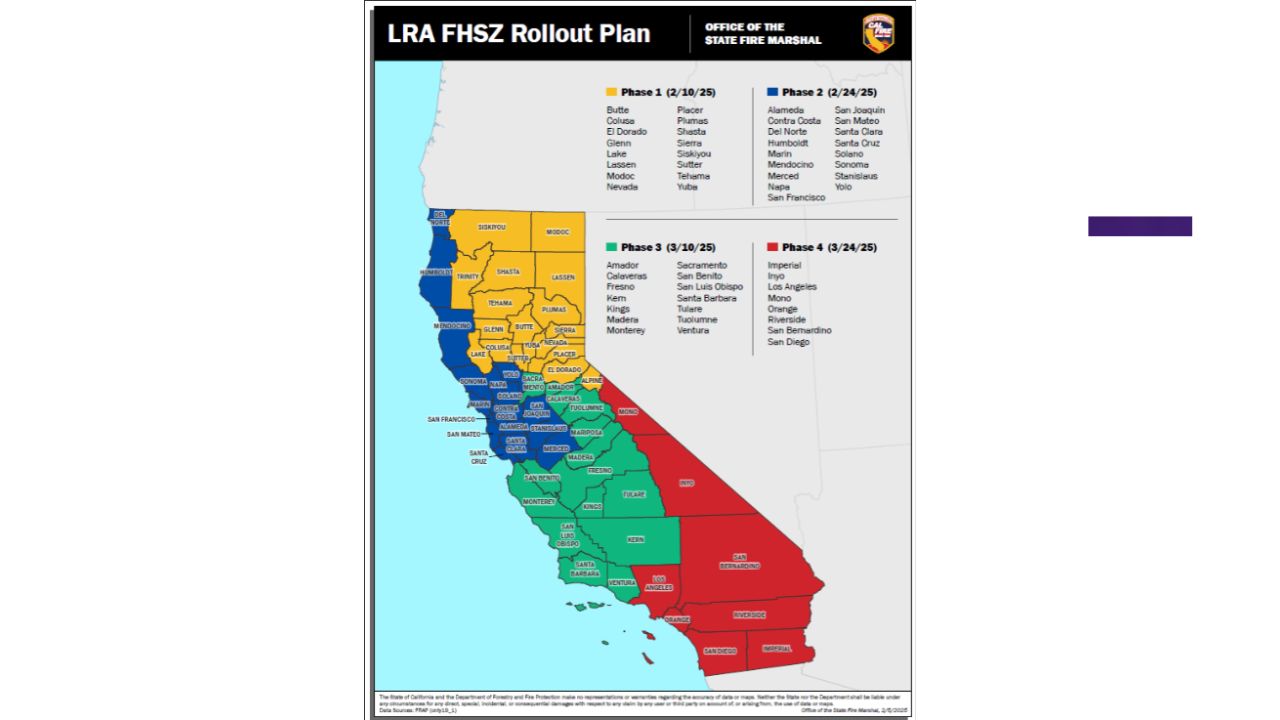
California’s geography exposes it to severe environmental vulnerabilities. Under local disclosure laws, statutory disclosures require an Natural Hazard Disclosure (NHD) report, which is legally mandatory for almost all residential real estate transactions. This report cross references state and county GIS mapping data to determine if the parcel sits within federally or state designated danger zones. You must verify if the property falls under.
- High Fire Hazard Severity Zones. Areas prone to intense wildfires where strict defensible space regulations apply.
- Special Flood Hazard Areas. FEMA designated flood zones requiring mandatory flood insurance.
- Earthquake Fault Zones. Active fault lines mapped under the Alquist Priolo Act where surface fault ruptures are a risk.
3. Order a Comprehensive Property Inspection CA
Relying solely on seller disclosures is a massive financial risk. You must hire an independent, certified professional home inspector to visually evaluate the physical structure from foundation to roof before your contingency period expires. A standard home inspection is a great baseline, but California’s environmental factors require specialized niche testing. To ensure comprehensive due diligence real estate protection, order the specialized inspections outlined below.
| Inspection Type | What It Checks | Why It’s Critical in CA |
| General Home Inspection | Foundation stability, electrical panels, HVAC systems, and roof lifespan. | Identifies immediate structural defects and costly repairs before escrow closes. |
| Termite & Pest Inspection | Active drywood termites, subterranean termites, fungus, and wood rot. | Wood destroying organisms are highly prevalent in CA and cause massive structural damage. |
| Sewer Scope Inspection | Lateral sewer line pipe condition from the house to the city main via a camera. | Older CA properties frequently suffer from cracked lines caused by invasive tree roots. |
4. Conduct a Comprehensive Title Search
Before finalizing a real estate transaction, you must confirm that the seller holds clear, marketable title. A preliminary title search run by a title company will reveal any encumbrances, recorded liens, unpaid property taxes, mechanical liens, or unresolved legal easements. Always secure an American Land Title Association (ALTA) owner’s title insurance policy to protect your equity from future third party ownership claims.
5. Evaluate Zoning Laws and Unpermitted Work
If you plan to remodel, build an Accessory Dwelling Unit (ADU), or convert a garage into a living space, you must review municipal zoning codes first. California building departments are exceptionally strict regarding unpermitted work. If a prior owner completed modifications without building permits, the local code enforcement agency can force you to demolish the additions, bring them up to current code at your own expense, or pay steep administrative fines.
6. Understand Mello Roos and Property Taxes
Under California’s historic Proposition 13, base property taxes are limited to 1% of the property’s assessed value at the time of purchase, plus local voter approved bonds (typically totaling 1.1% to 1.25%). However, many newer subdivisions feature an additional tax burden known as Mello Roos.
Expert Note. Mello Roos is a supplemental tax assessment levied by a Community Facilities District (CFD) to fund local infrastructure like schools, roads, and police stations. This assessment does not expire quickly and can add thousands to your annual housing expenses.
7. Investigate Homeowners Association (HOA) Rules
If you purchase a condo, townhouse, or a home within a master planned development, you will be subject to a Homeowners Association (HOA). HOAs enforce strict Covenants, Conditions, and Restrictions (CC&Rs) that dictate how you can use your property.
- Review the HOA’s financial statements and reserve studies to ensure they have adequate funds for capital improvements. Low reserves mean a high likelihood of sudden “Special Assessments.”
- Read the CC&Rs carefully for restrictions on leasing, pet ownership, vehicle parking, and exterior paint colors.
8. Neighborhood Assessment and Environmental Factors
A thorough neighborhood assessment involves analyzing external variables that impact long term property values and quality of life. California’s microclimates and dense urban layouts mean conditions vary wildly from block to block.
- Traffic Noise & Flight Paths
Visit the neighborhood during morning rush hour, evenings, and weekends to gauge ambient noise levels. - Environmental Hazards
Check proximity to active industrial sites, oil refineries, or high voltage power lines that could present health safety hazards. - School Districts
Properties located within top tier school districts hold their resale value much better during real estate market downturns, even if you don’t have children.
9. Check Home Insurance Availability and Cost
California is experiencing an unprecedented home insurance crisis. Due to rising wildfire risks, major national insurance providers have paused writing new policies or have drastically inflated their annual premiums. Do not wait until the end of escrow to source coverage. If traditional private carriers deny coverage for your property’s ZIP code, your only alternative may be the state backed California FAIR Plan, which offers high premium, specialized fire insurance that requires a separate wrap around policy for liability coverage.
10. Review Local Rent Control and Disclosure Laws
If you are buying property in California as an investment vehicle or rental income property, you must understand state and local landlord tenant laws. The California Tenant Protection Act (Assembly Bill 1482) imposes strict statewide caps on annual rent increases and requires “just cause” for tenant evictions. Furthermore, major municipalities like Los Angeles, San Francisco, and Oakland enforce local disclosure laws and ordinances that are even more restrictive than state law.
Step by Step Action Plan Before Closing Escrow
- Secure Pr Approval. Obtain a formal mortgage pre approval from a reputable lender using verified financial documents.
- Partner with a Local Realtor. Retain an experienced buyer’s agent who specializes in that specific California micro market.
- Audit Disclosures Within the Contingency Window. Read every line of the TDS, NHD, and preliminary title report immediately upon receipt.
- Execute Specialized Testing. Schedule structural, termite, and sewer scope inspections while your physical inspection contingency is active.
- Conduct the Final Walkthrough. Inspect the property five days before closing to verify that all agreed upon repairs were completed and no new damage exists.
Conclusion
The home buying process in California requires absolute legal and environmental precision. Protecting your financial investment hinges entirely on executing a strict due diligence real estate strategy before releasing your contingencies. By thoroughly auditing official documentation specifically the statutory Transfer Disclosure Statement (TDS), the Natural Hazard Disclosure (NHD) report, and a clean title search, you eliminate expensive structural, tax, and zoning surprises. Never cut corners on a comprehensive property inspection CA or rush your local disclosure laws audit. Work alongside local experts to secure your assets and confidently close escrow in the Golden State.
FAQs
What is the most critical due diligence real estate step in California?
Reviewing mandatory legal documents like the Transfer Disclosure Statement (TDS) and Natural Hazard Disclosure (NHD) report during the escrow period is the most critical step.
Is a property inspection CA legally mandatory before buying a home?
No, physical home inspections are not legally required by state law, but real estate experts strongly recommend them to uncover hidden structural defects and avoid financial liability.
How do local disclosure laws protect buyers in California?
They legally force sellers to reveal known material defects, past insurance claims, and neighborhood environmental hazards in writing via official statutory disclosure forms.
What does an NHD report cover during the home buying process?
An NHD report uses official GIS mapping data to verify if a parcel sits in active earthquake fault lines, high fire severity zones, or special flood hazard areas.
Why is a preliminary title search essential before closing escrow?
A title search uncovers recorded property liens, unpaid property taxes, legal easements, or ownership disputes that could threaten your equity or block clear, marketable title.
Do California zoning laws restrict building an Accessory Dwelling Unit (ADU)?
State laws heavily favor ADUs, but local municipal zoning codes still dictate specific setbacks, building heights, and structural permit compliance regulations you must follow.
How does a Mello-Roos tax impact monthly housing expenses?
Mello Roos is a supplemental property tax assessment that funds community infrastructure. It increases your monthly mortgage payment significantly beyond the standard Proposition 13 baseline.
Why is securing home insurance so difficult in California right now?
Severe wildfire risks have caused major private insurance carriers to restrict new policies, often forcing buyers to utilize the high premium, state backed California FAIR Plan.
What happens if I find unpermitted work after buying property in California?
Local code enforcement agencies can fine you, deny future remodeling permits, or legally force you to demolish the unpermitted structures at your own financial expense.
Does statewide rent control apply to all California investment properties?
Assembly Bill 1482 imposes strict caps on rent increases and eviction rules, but certain multi family units and single family homes may be exempt based on local disclosure laws.