The market for foreclosed homes in California is a highly lucrative yet incredibly risky path for real estate investors and traditional homebuyers alike. The allure of purchasing properties at steep discounts is undeniable, but buying a distressed property under the unique legal frameworks of the Golden State requires major due diligence. In California, foreclosures primarily operate through non judicial channels managed under strict statutes, meaning properties change hands rapidly with minimal structural guarantees. This market successfully requires balancing the clear financial upsides against hidden legal traps, outstanding tax liabilities, and severe property condition risks.
1. Understanding the California Foreclosure Timeline
Before deploying capital into distressed real estate, you must understand how a property transitions from owner occupied to a foreclosed asset. California primarily utilizes non judicial foreclosures, which bypass the court system entirely unless specialized circumstances trigger a judicial foreclosure. The process officially begins when a borrower defaults on their mortgage payments, prompting the lender to record a Notice of Default (NOD) in the county public records. Under California Civil Code, the borrower is granted a specific statutory timeline to cure the debt before the property progresses to a public real estate auction.
[Default occurs] ➔ Notice of Default (NOD) Filed ➔ 90 Day Cure Period ➔ Notice of Trustee Sale (NOS) Recorded ➔ Public Trustee Auction ➔ REO Property Status (If Unsold)
Statutory Deadline Warning. Under California Civil Code Section 2924, a lender must wait exactly 90 days after recording a Notice of Default before they can publish a Notice of Trustee Sale (NOS). The NOS officially sets the public auction date, which can take place a minimum of 21 days after the notice is published.
2. The Pros of Buying Foreclosed Homes in California
Purchasing a foreclosed property can provide incredible strategic advantages if you know how to identify real equity opportunities.
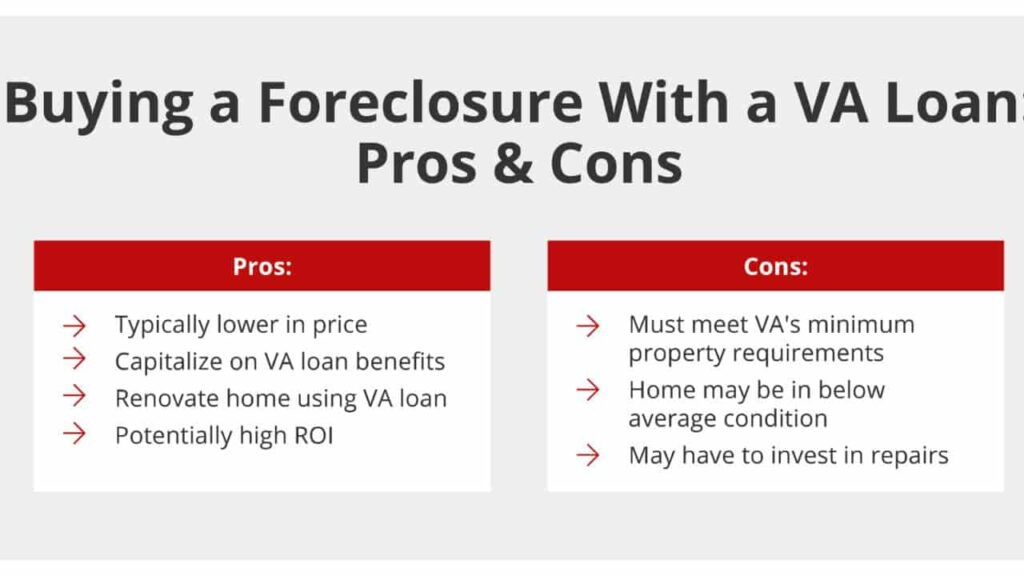
Substantial Equity Discounts
The most immediate benefit of tracking foreclosed homes in California is the potential to purchase below market value. Lenders are not real estate holding companies; they want to liquidate non performing assets quickly to recoup their original loan balances. This urgency creates deep discounts for savvy cash buyers and institutional investors.
Rapid Value Appreciation Potential
Because distressed properties are typically sold at lower entry points, any capital injection you make via renovations can rapidly build sweat equity. In highly competitive California micro markets, buying a neglected home, rehabbing it to modern structural standards, and flipping or renting it out can yield higher return margins than buying a turnkey property.
3. The Cons of Buying Distressed Properties
While the discounts are attractive, buying foreclosed property without checking hidden liabilities can bankrupt an investor.
Severe “As Is” Property Conditions
When you buy a property at a courthouse real estate auction or directly from a bank’s portfolio, you buy it completely “as is.” This means the previous owners, facing severe financial distress, likely neglected basic maintenance for years. You could face major structural defects, including cracked foundations, mold infestations, stripped copper plumbing, or outdated electrical grids that general home inspections might miss.
The Nightmare of Hidden Senior Liens
A massive trap that catches amateur investors at public auctions is the presence of unrecorded or senior liens. In California, a foreclosure sale wipes out junior liens, but senior liens stay attached to the property’s title. If you buy a foreclosed home at an auction, you could accidentally inherit.
- IRS tax liens or unpaid California Franchise Tax Board liabilities.
- Unpaid delinquent county property taxes.
- Mechanics liens from contractors who were never paid for past renovations.
4. Analytical Comparison of Foreclosure Channels
To choose the safest path for your investment goals, you must evaluate the three distinct phases where you can purchase a foreclosed or distressed property in California.
| Purchase Phase | Acquisition Method | Primary Risk Factor |
| Pre Foreclosure | Direct purchase from owner before the public trustee sale takes place. | Requires complex short sale negotiations with the lender’s loss mitigation department. |
| Trustee Auction | Cash bidding at physical or digital county courthouse steps. | Zero structural access; high risk of inheriting senior liens or title defects. |
| REO Properties | Buying bank owned homes directly from lender portfolios via realtors. | Properties have higher price tags but offer clear title and traditional financing options. |
5. REO Properties, The Safest Distressed Vector
If the chaos of a live courthouse real estate auction feels too dangerous, focusing exclusively on REO properties (Real Estate Owned) is your best alternative. These are bank owned homes that did not sell at the public auction, meaning ownership successfully reverted back to the foreclosing financial institution.
Why REO Properties Reduce Financial Liability
When a bank takes full ownership of an REO asset, they want to prepare it for traditional market channels. The bank will typically.
- Clear out any outstanding senior liens and settle delinquent property tax balances to ensure clear title.
- Evict any remaining illegal squatters or holdover tenants through official channels.
- Allow prospective buyers to execute a standard physical home inspection and purchase traditional title insurance before closing escrow.
6. Step by Step Purchasing and Verification Protocol
If you are ready to target foreclosed homes in California, execute this professional sequence to eliminate your exposure to legal and financial liabilities.
Step 1. Execute a Preliminary Title Search. Pre Bidding Phase
Never bid on an auction property based on address alone. Hire a professional title company to run a preliminary title report. Verify the exact chain of title to ensure the lien being foreclosed is the primary first mortgage and that you will not accidentally inherit toxic senior liens or secondary mortgages.
Step 2. Secure Liquid Cash Capital. Capitalization Phase
If you plan to purchase directly at a trustee auction, traditional mortgage financing is completely unavailable. You must possess the entire purchase amount in liquid funds via cashier’s checks. For REO properties, ensure your lender permits financing on distressed homes that require heavy structural repairs.
Step 3. Review SB 1079 Compliance Hurdles. Post Acquisition Phase.
California Senate Bill 1079 completely altered the post auction process for residential properties. Under this law, eligible tenant buyers and community housing non profits have up to 45 days after the auction date to match or beat an investor’s winning bid. Do not begin renovations until this statutory window fully closes.
Final Verdict
The foreclosed homes in California offers a high equity pathway for investors, but it requires a sophisticated understanding of real estate law. While the promise of buying bank owned homes or securing assets at a real estate auction at steep discounts is enticing, the hidden liabilities can easily erase your margins. To succeed, you must respect the strict timelines triggered by a Notice of Default and diligently hunt for senior liens that survive the trustee sale. By prioritizing clean REO properties and ensuring rigid title verification, you turn the complexities of buying distressed property into a controlled, high yield investment.
FAQs
What is the main benefit of buying foreclosed homes in California?
The primary advantage is acquiring properties significantly below market value, allowing buyers to build instant equity through targeted renovations in high demand markets.
What does it mean to buy a distressed property “as is”?
It means the bank or trustee makes zero structural guarantees. You inherit all physical defects, code violations, and structural damage without recourse.
What is an REO property in California?
REO stands for Real Estate Owned. These are foreclosed homes that did not sell at the public trustee auction and reverted to the bank’s internal portfolio.
How long does the non judicial foreclosure process take?
Once a Notice of Default is recorded, California law mandates a 90 day reinstatement window before a trustee can schedule the public auction.
Can I use a traditional mortgage at a real estate auction?
No. Physical courthouse auctions require immediate, full payment via liquid capital or cashier’s checks, completely ruling out traditional home financing.
Do senior liens disappear after a California foreclosure sale?
No. While junior liens are wiped out, senior liens, delinquent property taxes, and IRS tax liabilities remain attached to the property’s title.
What is the purpose of California Senate Bill 1079?
SB 1079 prevents corporate bundling and gives tenants and affordable housing non profits a 45 day post auction window to match winning investor bids.
Is a judicial foreclosure common in California?
No. Most lenders prefer non judicial foreclosures because they bypass the lengthy court system, though they forfeit the right to pursue deficiency judgments.
Why should I hire a title company before bidding?
A preliminary title report uncovers hidden mortgages, easements, or tax liens, protecting you from buying a toxic title at an auction.
Can I inspect a foreclosed home before the trustee auction?
Generally, no. You cannot legally access the interior of a pre foreclosure or auction property, making internal structural assessments impossible until closing.