In the Golden State’s hyper competitive real estate market, relying on the generic myth that “California property tax is just a flat 1% everywhere“ can be a devastating financial mistake. While Proposition 13 legally caps the state’s foundational base rate at 1%, your actual, real-world tax liability is shaped by localized forces. Voter-approved municipal bond overrides, school district debt levies, and aggressive Mello-Roos Community Facilities Districts (CFDs) can quietly inflate your annual tax bill depending heavily on your exact geographical plot. From an authoritative real estate advisory and asset protection perspective, this comprehensive guide decodes California property tax rates by county. We provide a verified statistical analysis contrasting the state’s most expensive regions against the cheapest property tax CA markets, empowering you to calculate your true carrying costs with absolute precision.
The Structural Reality of California Property Taxes
To understand why tax bills vary drastically from Los Angeles to the Central Valley, we must analyze the layers that form your total assessment. Your property tax is never just a single, isolated state fee. It is a collection of local voter-approved initiatives stacked directly on top of a foundational baseline.
1. The Proposition 13 Foundation
Passed by voters in 1978, Proposition 13 establishes the bedrock rule for all California real estate. It mandates that the base property tax rate cannot exceed 1% of a property’s net assessed value. Furthermore, it caps annual value increases for existing homeowners at a maximum of 2% per year unless a change in ownership or significant new construction triggers a comprehensive reassessment after sale.
2. Local Bond Levies and Special Assessments
The variance across counties occurs because Proposition 13 permits local governments, cities, and school boards to add voter-approved debt charges. These local bond levies fund neighborhood public infrastructure, clean water initiatives, and community college modernizations.
3. Mello-Roos (Community Facilities Districts)
If you buy a home in a newer subdivision, you will likely face a Mello-Roos tax. Officially known as a Community Facilities District (CFD) fee, this is an additional assessment levied directly on new developments to build roads, parks, and fire stations. Mello-Roos fees do not depend on your home’s value; they are typically flat annual charges that can push your effective tax rate past 1.6% to 1.9% in certain master-planned neighborhoods.
California Property Tax Rates by County: Statistical Comparison
The following dynamic table outlines the actual, effective tax rate ranges across major regions in California. This structured data incorporates updated local bond distributions, school infrastructure overrides, and baseline regional variances to reflect what property buyers actually pay.
| County / Region | Effective Property Tax Rate Range | Sample Tax on an $850,000 Property |
| Los Angeles County | 1.14% – 1.22% | $9,690 – $10,370 |
| San Diego County | 1.12% – 1.20% | $9,520 – $10,200 |
| Riverside County | 1.20% – 1.55% | $10,200 – $13,175 |
| San Francisco County | 1.18% – 1.24% | $10,030 – $10,540 |
| Central Valley (Fresno/Kern) | 1.15% – 1.35% | $9,775 – $11,475 |
| Orange County | 1.08% – 1.15% | $9,180 – $9,775 |
Strategic Professional Note: The wide ranges observed in areas like Riverside County and the Central Valley are driven heavily by newer housing developments containing aggressive Mello-Roos (CFD) assessments. Older, established neighborhoods without these special districts usually cluster tightly near the 1.10% mark.
Highest Real Estate Tax Counties in California
When searching for the highest real estate tax counties, you must look closely at areas experiencing massive suburban growth or regions with heavy municipal bond debts.
- Riverside and San Bernardino Counties:
While these Inland Empire regions offer lower initial purchase prices than coastal hubs, their effective tax rates can be among the highest in the state. New housing communities use extensive CFD financing to build out local utility frameworks, shifting those structural costs directly onto your annual tax roll. - Alameda County:
Located in the San Francisco Bay Area, Alameda features substantial voter-approved local bond measures for transit systems and schools, frequently pushing the regional effective tax rate up to 1.40% in specific ZIP codes. - Kern County:
High concentrations of industrial infrastructure assessments and local public safety overrides mean that despite lower nominal land values, the actual tax percentage burden remains consistently elevated.
Where to Find the Cheapest Property Tax CA Options
If your primary financial objective is finding the cheapest property tax CA locations, your search should target two distinct types of regions: rural Northern California territories or older, established coastal enclaves devoid of modern infrastructure bonds.
Cheapest CA Property Tax Regions
├── Rural Northern Counties (e.g., Trinity, Modoc)
│ └── Minimal local bond overrides & sparse special infrastructure districts.
│
└── Established Luxury Coastal ZIPs (e.g., specific tracts in Orange/San Diego)
└── Fully funded, older infrastructure with absolute absence of Mello-Roos fees.
Trinity County: Historically holds one of the lowest effective property tax averages in the state, occasionally dropping near a net 0.55% to 0.75% because it lacks heavy municipal debt or dense school district bond programs.
Older Coastal Communities: Select established zones within Orange County and San Diego County boast incredibly low effective rates (near 1.05% to 1.10%). Because their schools, roads, and sewers were fully paid off decades ago, they do not carry the modern bond burdens found in expanding suburbs.
Step by Step Guide: How to Calculate Your True California Tax Obligation
To protect your personal wealth and avoid unexpected financial surprises after closing your real estate transaction, follow this professional sequential blueprint to uncover your true, comprehensive tax liability.
1.Determine the Fair Market Purchase Price: Step 1: The Baseline.
Identify your final accepted contract price. Under Proposition 13 rules, this transaction amount establishes your initial baseline assessed value for the upcoming fiscal cycle.
2.Apply the 1% Statewide Base Rate: Step 2: Core Calculation.
Multiply your baseline assessed value by 0.01 (1%). For example, an $800,000 purchase price yields a starting base tax calculation of exactly $8,000 per year.
3.Locate the Specific Tax Rate Area (TRA) Code: Step 3: Pinpoint Local Bonds.
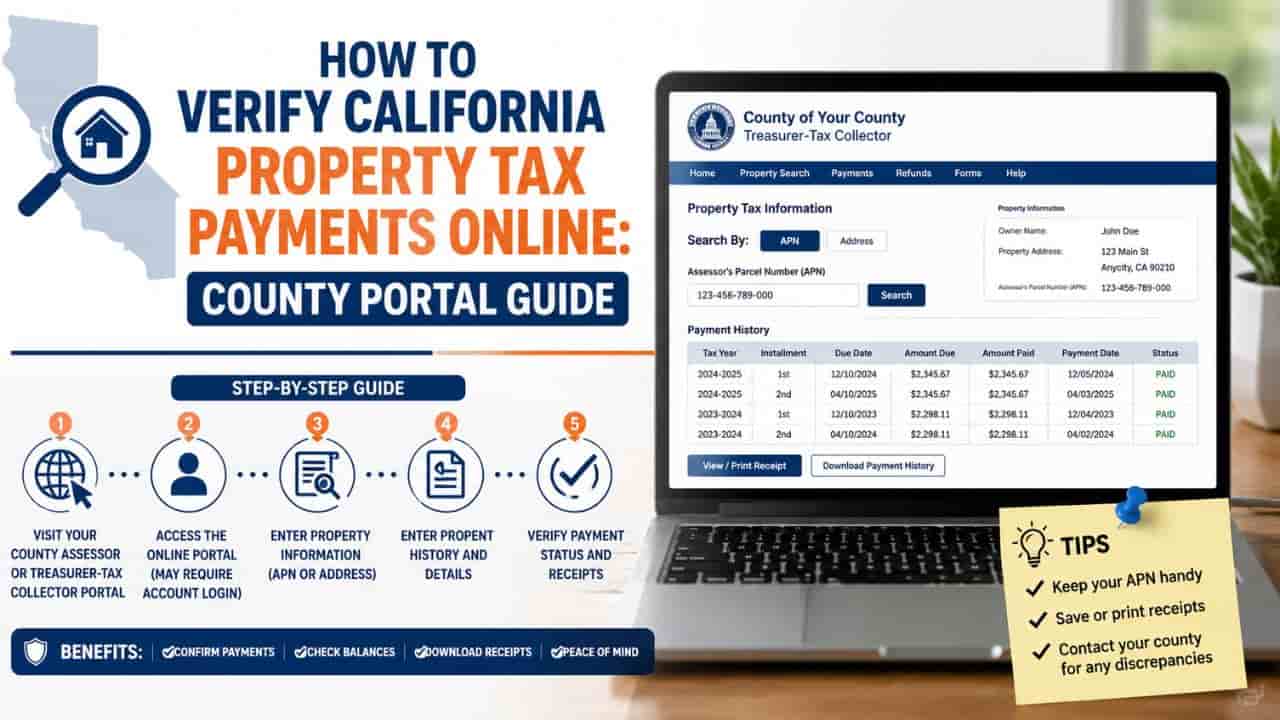
Visit your local County Assessor’s online portal and enter your unique Assessor’s Parcel Number (APN). Locate the specific Tax Rate Area (TRA) code assigned to your land, which details every active local bond levy and school override.
4.Audit for Hidden Mello-Roos and Special Districts: Step 4: Check for CFD Fees.
Review your preliminary title report or current property tax tax roll documentation for fixed-rate special assessments. Add these non-ad-valorem (not based on value) flat fees directly to your previous calculation.
5.Finalize Your Monthly Escrow Projection: Step 5: Secure Your Budget.
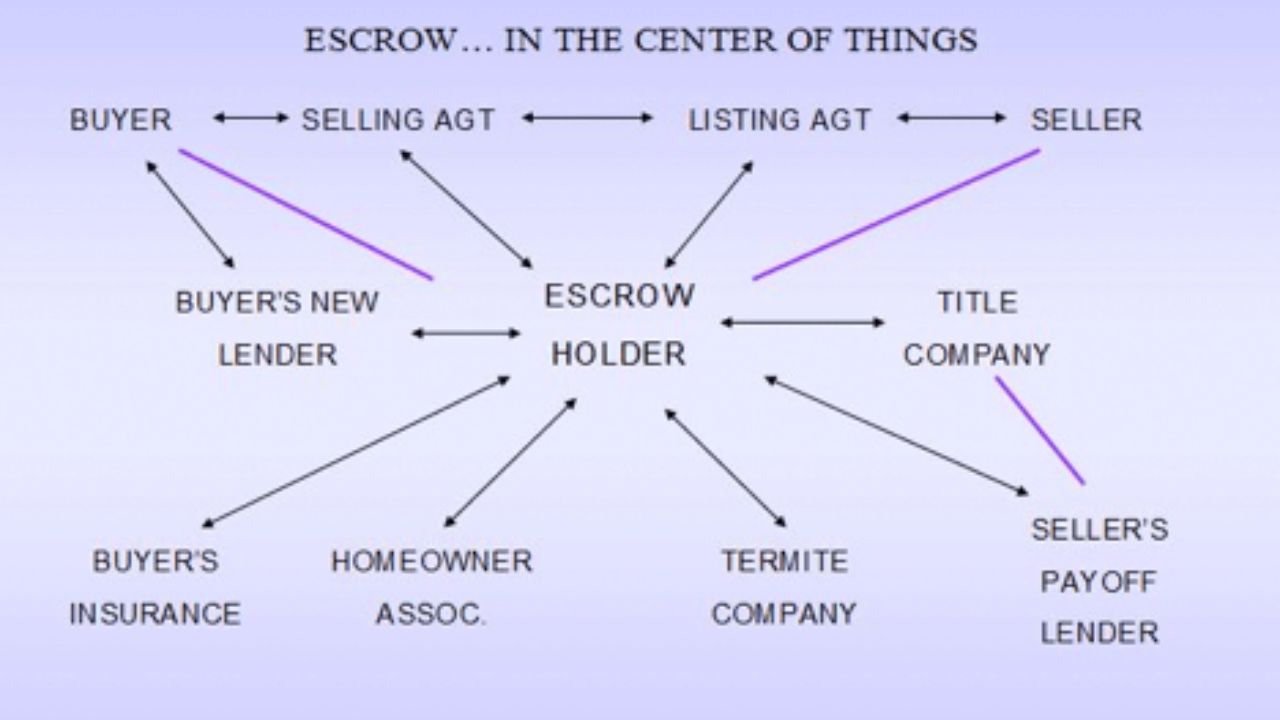
Combine the calculated totals from Steps 2, 3, and 4. Divide this final figure by 12 to establish the exact amount you must save monthly to prevent late payment penalties.
Crucial Pitfalls Every California Property Owner Must Avoid
- Do Not Count on Your Lender’s Standard Estimate:
Automated online mortgage calculators routinely estimate property taxes at a flat 1%. If you buy inside a high-tax county or a Mello-Roos zone, this error can underfund your impound account, creating an immediate cash shortfall. - Anticipate the Looming Supplemental Bill:
When a home changes hands, the county takes months to process the new deed. You will initially receive a tax bill based on the seller’s old, lower assessed value. Eventually, the county will send you a separate, one-time supplemental tax bill to retroactively collect the difference from your purchase date. - Remember the Bi-Annual Due Dates:
California property taxes are split into two equal installments. Use the classic real estate acronym “No Darn Fooling Around” to memorize the timeline: The first installment is due November 1 (delinquent after December 10); the second installment is due February 1 (delinquent after April 10). Missing these windows results in an immediate, mandatory 10% late penalty.
Strategic Thoughts
Maximizing long term real estate returns requires navigating the operational layers of California property tax rates by county. While Proposition 13 provides an essential foundational limit, ignoring localized overrides like local bond levies or specialized Mello-Roos infrastructure charges will distort your baseline acquisition modeling. Discerning buyers must explicitly balance initial home pricing against long-term operational carrying costs. Securing a parcel within the state’s cheapest property tax CA zones while proactively forecasting a inescapable reassessment after sale keeps your hard-earned real estate equity securely protected.
FAQs
What is the exact base property tax rate across California?
Under Proposition 13, the base rate is legally capped at exactly 1% of your property’s net assessed valuation.
Why does my neighbor pay less property tax than me?
Annual value increases are capped at 2% for existing owners. A new purchase triggers an immediate market-value assessment.
What are local bond levies on a tax bill?
These are voter-approved local debt instruments that fund community infrastructure, public health systems, and localized school modifications.
Which California county has the lowest effective tax rate?
Trinity County historically registers the lowest effective rate, frequently dropping near 0.26% due to minimal local debt.
Why is the tax rate higher in newer master planned communities?
Newer subdivisions carry Mello-Roos Community Facilities District (CFD) fees to directly fund modern local roads and utility lines.
How often are California property tax bills issued?
Annual secured tax bills are mailed once a year in October, split into two separate installments.
What are the primary property tax payment deadlines?
Installments become delinquent if payments are not submitted by December 10 and April 10, respectively.
What is the penalty for missing a tax installment deadline?
The county tax collector applies an immediate, non-negotiable 10% late fee plus additional administrative costs.
Does a home purchase price include supplemental tax obligations?
No. Your regular escrow covers the historic assessed value; the county bills you separately for the adjustment.
How can I lower my primary home assessment burden?
Owner occupants can submit a homeowners’ exemption form to permanently strip $7,000 off their baseline taxable value.